We welcome many first-time visitors across our hotels in and around Reykjavík, and the same handful of mistakes come up again and again. Here they are, along with what to do instead.
1. Buying bottled water
Reykjavík's cold water is not treated or filtered. It is collected from springs at Gvendarbrunnar, Myllulækur and Vatnsendakriki in Heiðmörk, just outside the city, and sent straight into the distribution system. What comes out of the tap in your room is the same water people pay for in bottles elsewhere.
Fill a bottle before you head out. If the water runs slightly warm or carries a faint sulphur smell, you have the hot tap, which is geothermal and a different supply entirely. Let the cold tap run for a few seconds and it clears.
2. Packing for one season
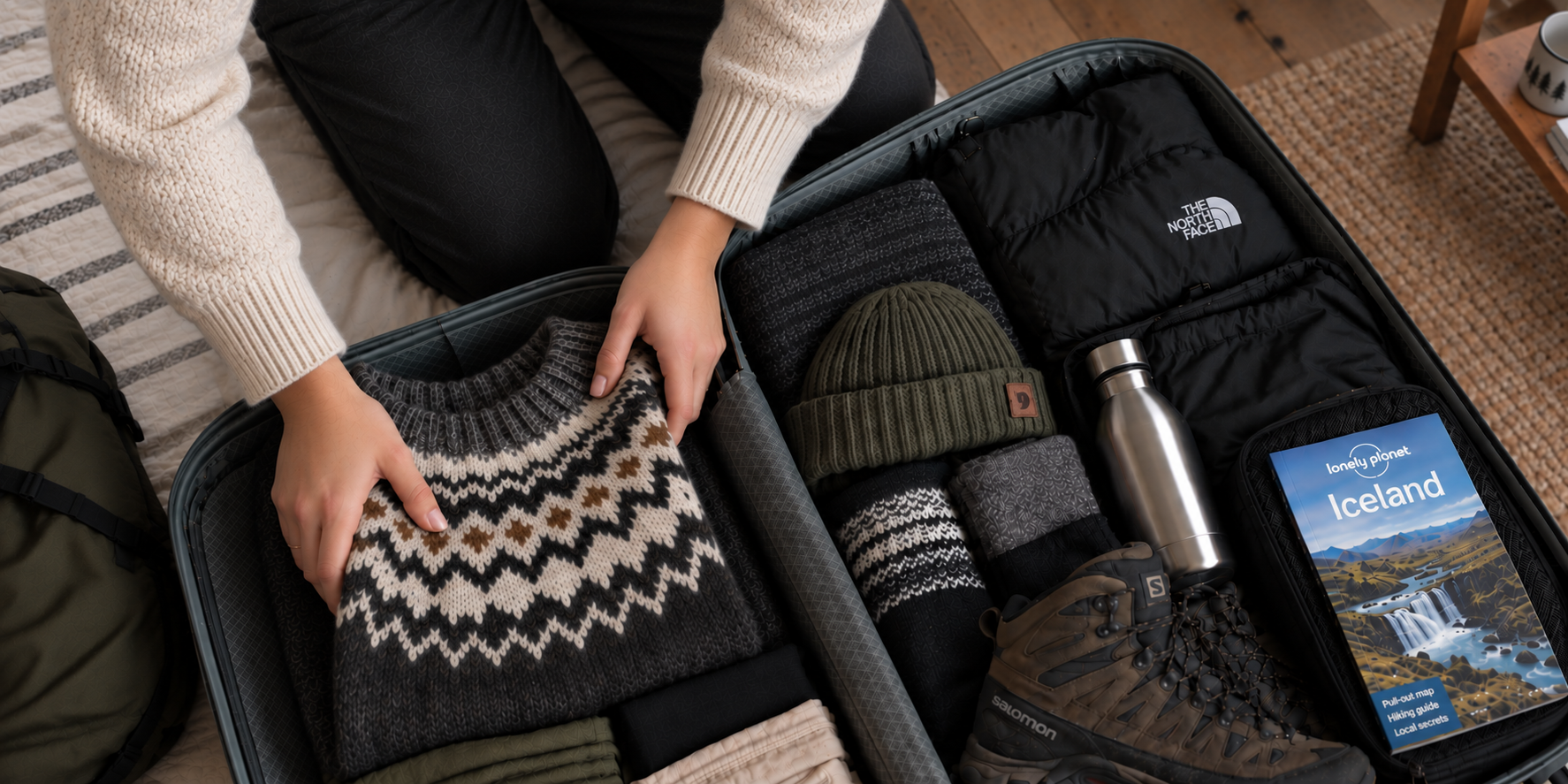
Sunshine, rain and near-freezing wind can all arrive in a single afternoon, even in July. This is the single most common packing error we see, and it is usually the same error in both directions: visitors in summer who bring nothing warm, and visitors in winter who bring warmth but nothing waterproof.
Layers solve it. A base layer, a wool or fleece mid layer, and a windproof, waterproof shell. Wool over cotton, because cotton holds water. Proper shoes with grip, not trainers. A hat and gloves are worth carrying from September onwards, and are not unreasonable in June.
3. Treating the roads like the roads at home
Icelandic roads ask for your full attention. Paved surfaces turn to gravel with little warning, and the change in grip is what causes accidents rather than the gravel itself. Blind hills and blind curves are common, often with no lane markings. There are still twenty-nine single-lane bridges on the Ring Road alone, where the vehicle nearer the bridge has right of way.
Headlights must be on at all times, day or night. Sheep, horses and cattle graze beside the road and will cross without looking, often to rejoin the rest of the group, so slow down rather than sound the horn.
4. Underestimating how long the driving takes
The Ring Road is more than 1,300 kilometres. On a map it looks like a comfortable few days. In practice the speed limits are lower than most visitors expect, the stops are frequent because the landscape keeps insisting on it, and weather regularly slows everything down.
A useful rule is to take whatever the navigation app tells you and add half again. If you have four or five days, the south coast and the Golden Circle out of Reykjavík will give you more than a rushed lap of the island ever could. Base yourself in the city, drive out, come back to a warm room.
5. Chasing the northern lights in summer
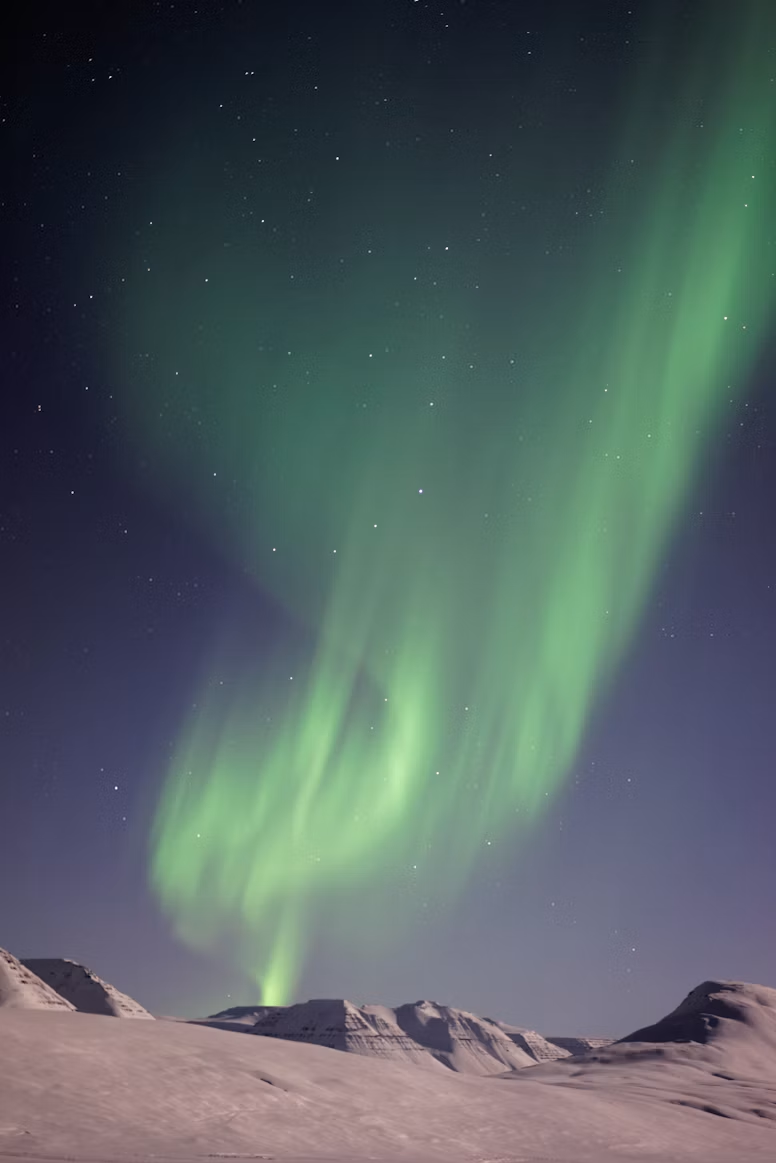
The aurora needs dark skies, and Reykjavík does not have them in summer. Around the solstice the sun sets just after midnight and rises again before three, and even at solar midnight it sits only two or three degrees below the horizon. True astronomical darkness does not return to Reykjavík until the first days of September, and it is gone again by early April.
That is the aurora season, and it matches what the Icelandic Meteorological Office says is required: dark and at least partly clear skies. The Met Office publishes a nightly forecast combining aurora activity on a scale of zero to nine with predicted cloud cover, which is the more useful half of the forecast. Head away from the city lights, give your eyes twenty minutes to adjust, and be patient.
6. Letting go of the car door
An Icelandic gust can catch an open door and bend it back on its hinges in a second. It happens most often in exposed car parks, and it is expensive.
Standard collision cover does not include it. Most rental companies treat wind damage to doors as something you have to buy separately. Hold the door with both hands, open it into the wind rather than with it, and get everyone in the car to do the same.
7. Getting too close to the water at Reynisfjara
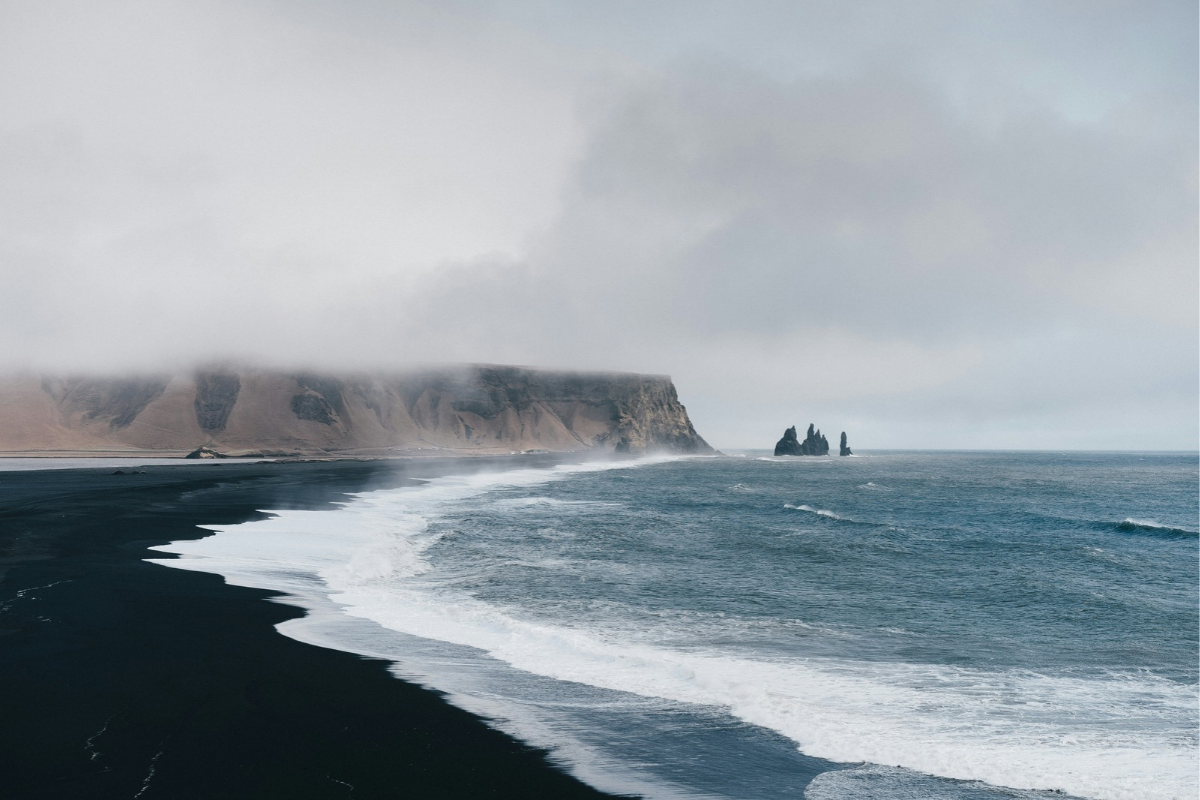
At Reynisfjara the waves reach much further up the black sand than they look as if they will, and the shelf drops away sharply.
Since December 2022 the beach has had a light sign connected to an automatic wave forecasting system run by the Icelandic Road and Coastal Administration, along with information signs, guide signs and a three hundred metre chain marking the path. Yellow means stay out of the yellow zone. Red means the area beyond the sign is closed and you should stay on the beach ridge. Cameras on the ridge stream to the police station in Selfoss. The beach itself never closes, so the responsibility sits with the visitor.
Check the light, stay inside the marked zone, keep your back to the cliffs and your eyes on the water. Do not turn around for a photograph.
8. Assuming a 4x4 means you can go anywhere
Renting a four wheel drive does not unlock the interior. F-roads are typically closed from mid-September until June or July, and not every 4x4 is suitable for the ones that are open. Some routes need a standard four wheel drive, others a larger vehicle, and the hardest need a modified jeep with an experienced driver.
River crossings are the point where this gets serious. No insurance covers damage to a vehicle while crossing a river. If you are not certain, wait for another vehicle or turn back.
Off-road driving is strictly forbidden anywhere in Iceland. Driving on an F-road or a gravel road is fine. Leaving it is not, and the damage to moss and lava fields takes decades to recover.
9. Not checking conditions in the morning
Conditions change fast enough that yesterday's plan is not reliable. Three things are worth checking over breakfast: the forecast and weather warnings at vedur.is, road conditions and closures at umferdin.is, and alerts at safetravel.is.
If you are hiking or heading into remote areas, leave a travel plan so someone knows your route, and install the SafeTravel app, which can send your GPS position to the emergency services. The emergency number in Iceland is 112.
10. Bringing cash
Cards are accepted almost everywhere, from restaurants and shops to taxis and buses. The currency is the Icelandic króna, not the euro, and a small amount of cash is occasionally useful but rarely necessary. Know your PIN, because larger purchases may ask for it, and some unmanned petrol pumps will not work without it.
Tipping is not expected. Service is included, and nobody will think less of you for not leaving anything.
11. Looking for wine in the supermarket
Supermarkets sell beer with an alcohol content low enough to be almost beside the point. Everything else comes from Vínbúðin, the state off-licence, which holds the retail monopoly on alcohol in Iceland. The legal purchase age is twenty.
Opening hours are the part that catches people. Reykjavík branches generally open from 11:00, close at 18:00 on weekdays and 19:00 on Fridays, and are closed on Sundays. If you are driving out of the city for a few days, buy before you go. Duty free on arrival at Keflavík is worth the queue.
One last thing
Ask someone. Ask at reception, ask the person behind the bar, ask the guide. The single best source of information about what the weather is doing and whether today is the day for that drive is a person who was outside in it this morning.
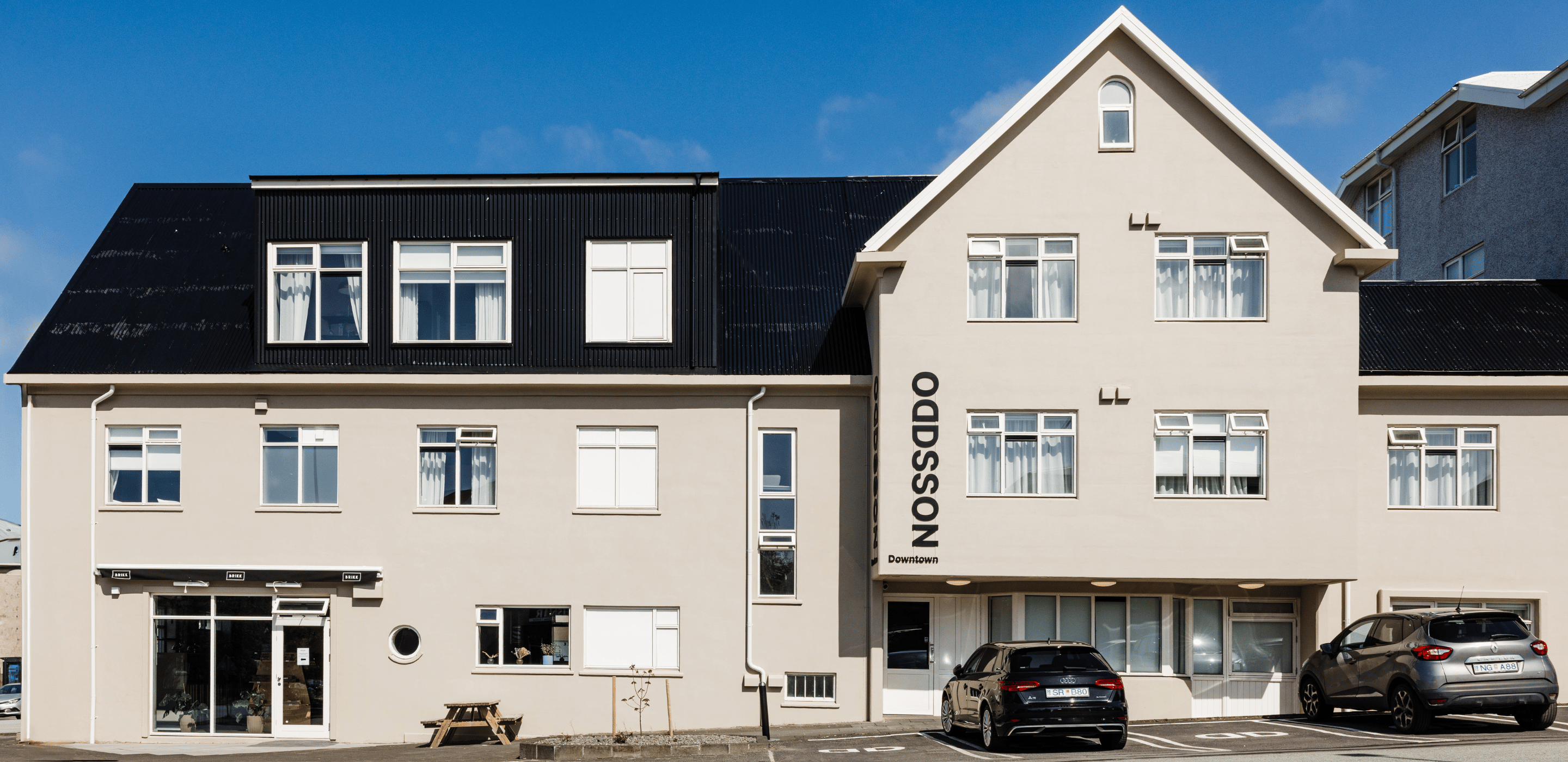
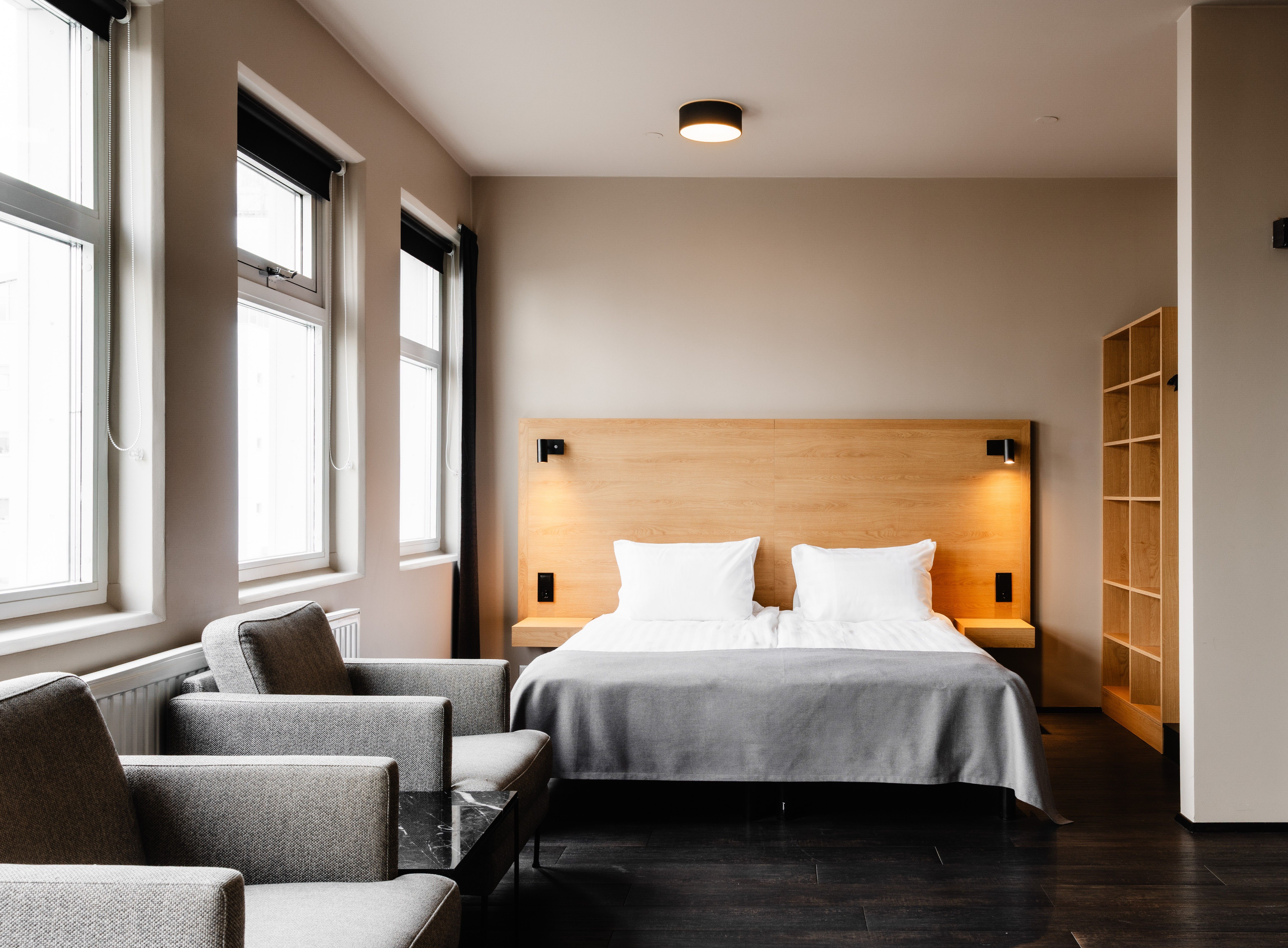
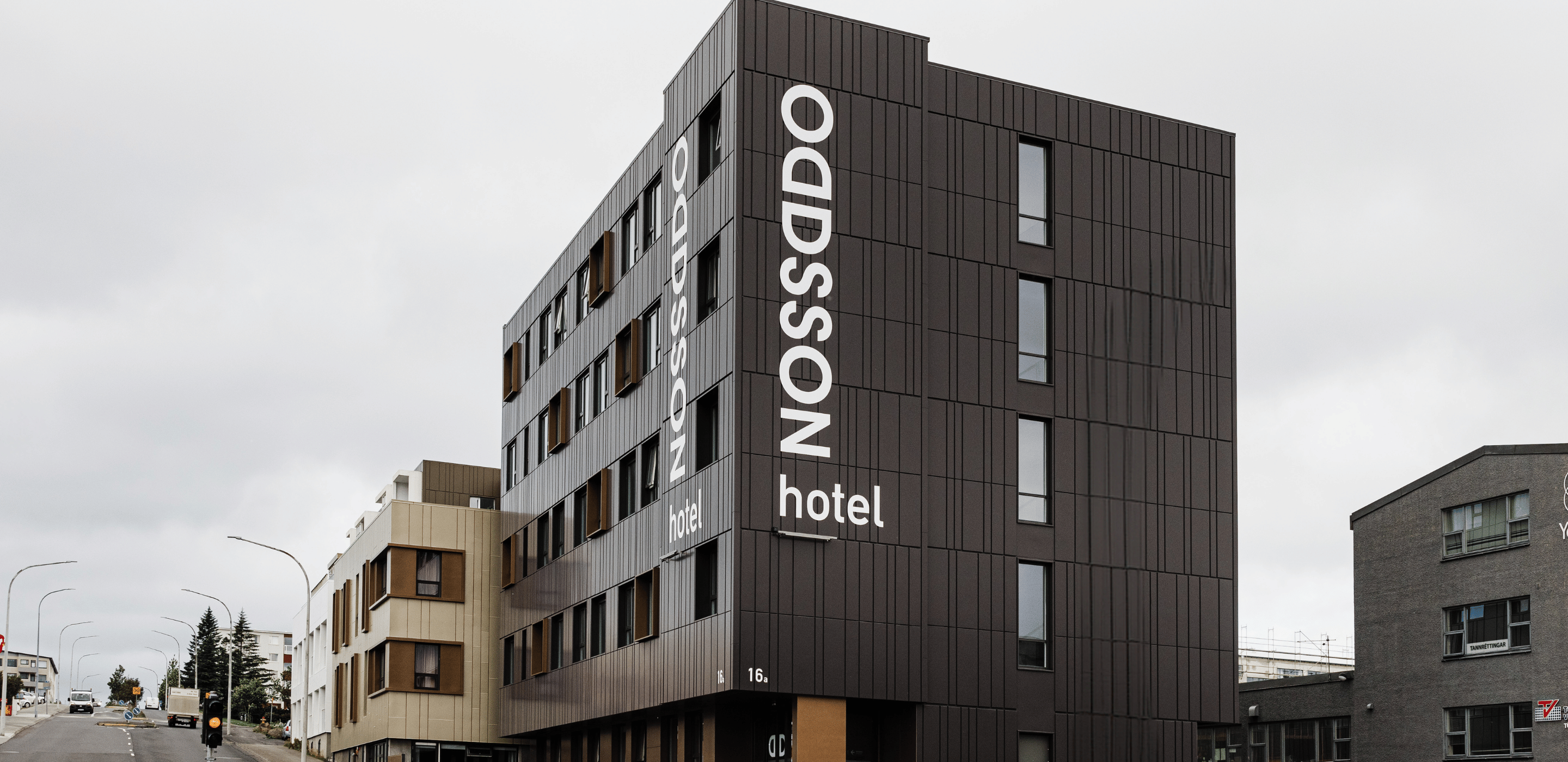
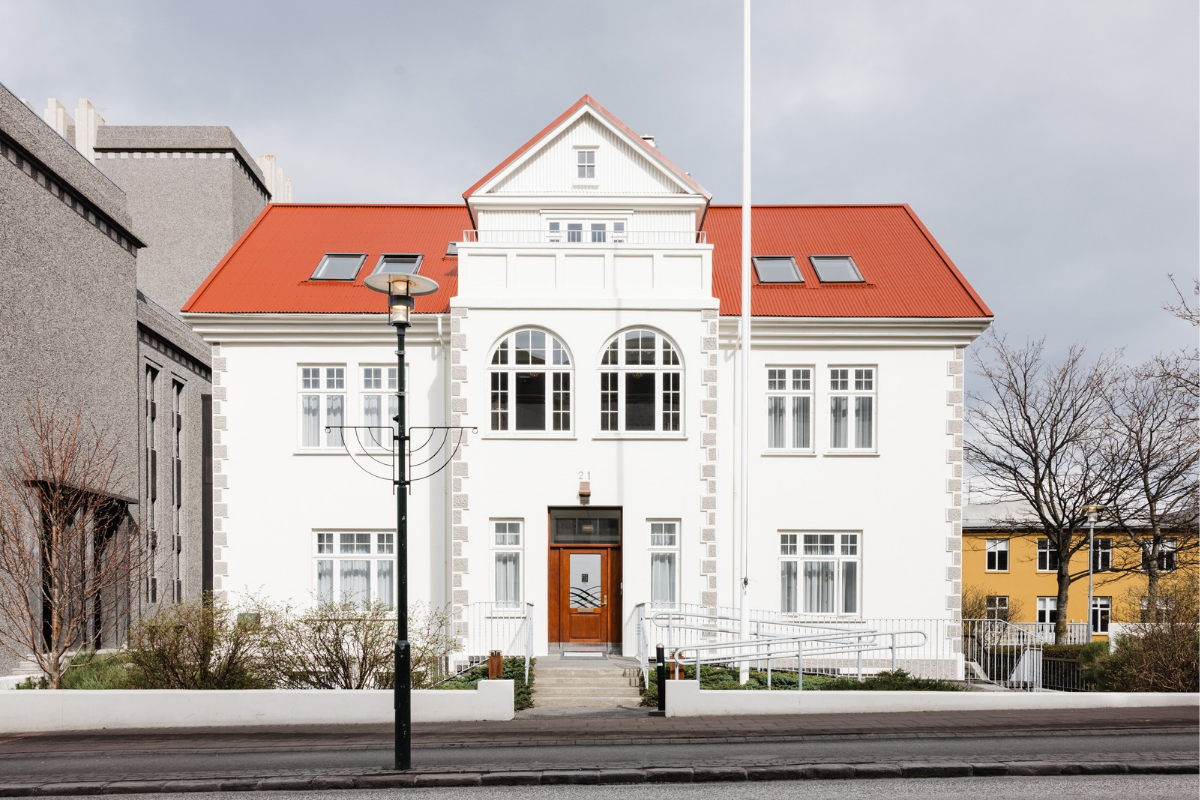
Our houses sit in and around Reykjavík, which makes the city an easy base for driving out and coming back to a warm room. If you are planning a first trip and want a straight answer about where to stay or what is realistic in the days you have, write to us.
See you in Iceland.