
Only Have 1-2 Days in Iceland? A Summer and Early Autumn Guide From Reykjavík.
A short stay in Iceland can still feel unforgettable. With Reykjavík as your base, one or two days is enough for city walks, local food, geothermal pools, and a carefully chosen day trip into Iceland's landscapes.
Iceland is often imagined as a destination that needs weeks to explore. Glaciers, waterfalls, volcanic landscapes, black sand beaches, hot springs, and quiet fishing towns all seem to call for a long journey.
But not every trip to Iceland is a long one. Many travellers arrive for a short stopover, a weekend escape, or a first visit before continuing elsewhere. If you only have one or two days, you can still experience the country in a meaningful way, especially during July, August, and September. The days are long, the city is lively, tours run frequently, and Reykjavík makes it easy to combine culture, food, geothermal bathing, and unforgettable landscapes without changing hotels.
The key is not to try to see everything. It is to choose well.
Why Reykjavík Is the Best Base for a Short Iceland Trip
For a short visit, Reykjavík is the easiest place to begin. The city centre is walkable, welcoming, and full of character, with colourful streets, cafés, restaurants, museums, galleries, the Old Harbour, and local swimming pools all within a short distance.
The city also gives you access to many of Iceland's classic experiences. From Reykjavík you can join day trips to:
The Golden Circle
The South Coast
The Reykjanes Peninsula
Geothermal lagoons such as Sky Lagoon and the Blue Lagoon
Whale watching tours from the Old Harbour
Northern lights excursions in September, when conditions allow
When you only have one or two days, location matters. Reykjavík Residence and ODDSSON Downtown are located in the heart of the city, giving guests an easy base for short Iceland stays. From your hotel, you can walk to restaurants, cafés, shops, museums, the harbour, and many of Reykjavík's main sights, while staying close to tour pickup points for day trips outside the city.
If You Have 24 Hours in Iceland
With one day, keep the itinerary simple. Focus on Reykjavík, geothermal water, good food, and one memorable view of the surrounding landscape.
Morning: Walk Through Central Reykjavík
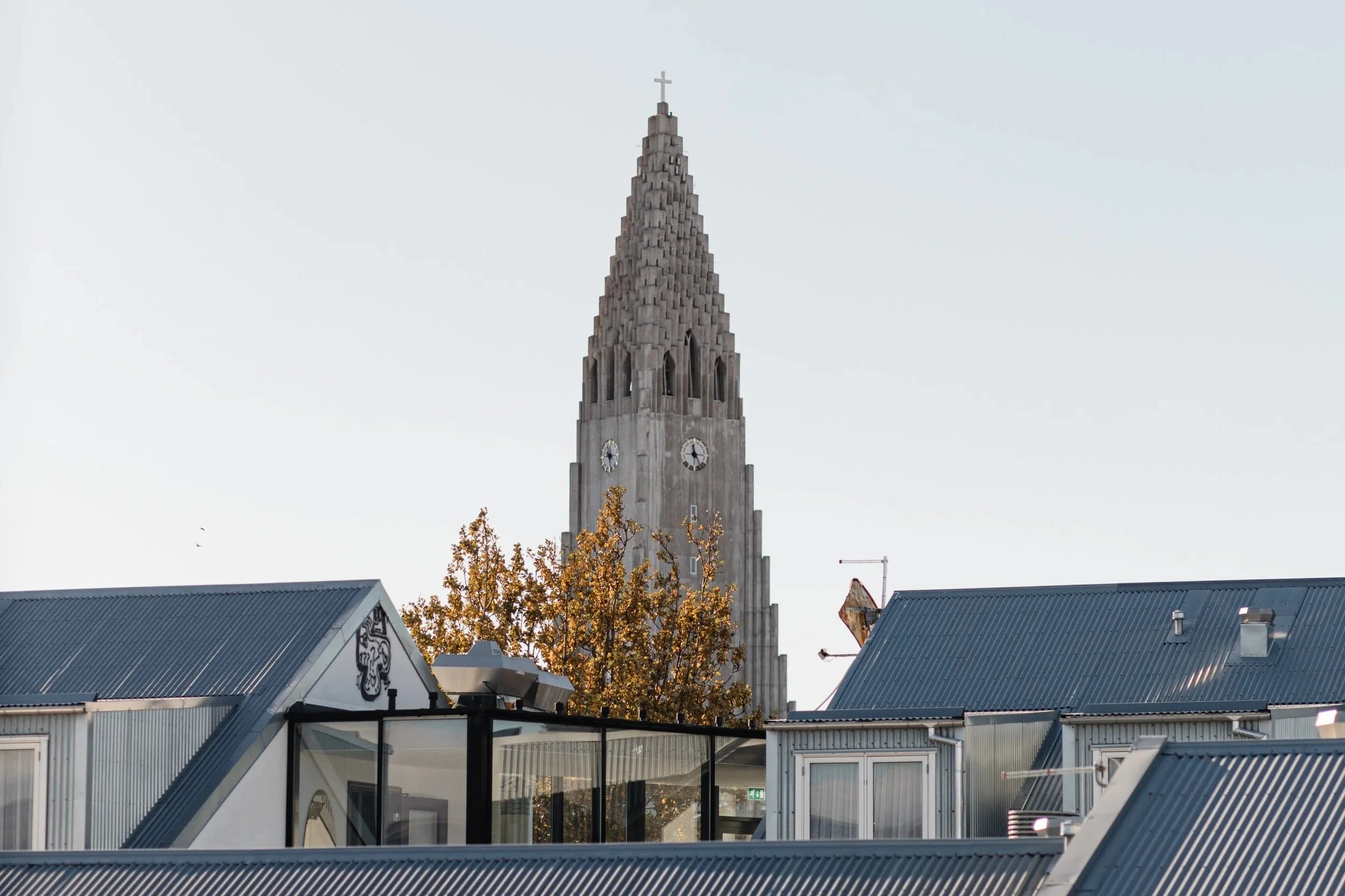
Start your day downtown. Visit Hallgrímskirkja, the city's landmark church, and take in the view from the tower if the weather is clear. From there, walk down Skólavörðustígur toward Laugavegur, where you will find local shops, cafés, galleries, and Icelandic design.
In July and August, the long daylight gives the city a relaxed energy. In September, mornings feel calmer and more atmospheric, with the first signs of autumn in the air.
Midday: Visit the Old Harbour or Join a Whale Watching Tour
From July to early September, whale watching is one of the best short activities from Reykjavík. Tours depart from the Old Harbour, close to the city centre, and usually take only a few hours, so you can experience Icelandic nature without committing to a full-day excursion.
If you prefer to stay on land, walk around the harbour, visit a museum, or stop for lunch nearby.
Afternoon: Go for a Swim in Geothermal Water
A short Iceland trip should include geothermal water. Depending on your style and schedule:
Local swimming pools are a real part of Icelandic daily life, with warm pools, hot tubs, and steam rooms used in every season.
Sky Lagoon, just outside the city centre, offers a more elevated experience with ocean views that are especially beautiful in summer and early autumn.
The Blue Lagoon works well around your airport transfer, as it sits between Reykjavík and Keflavík International Airport.
Evening: Dinner in Reykjavík
End the day with dinner in the city. Reykjavík has an excellent food scene, from relaxed bistros and seafood restaurants to fine dining and wine bars. During July and August, evenings are bright and long, ideal for a walk after dinner. By September, the darker evenings give the city a cosier feel, and if the forecast is promising, this can be the time to try a northern lights tour outside the city.
If You Have 48 Hours in Iceland
With two days, you can enjoy both Reykjavík and one classic day trip. This is the best balance for a short visit: one day for the city, one day for the landscapes.
Day One: Explore Reykjavík Slowly
Use your first day to settle in. Walk between Hallgrímskirkja, Laugavegur, Harpa Concert Hall, and the Old Harbour. Visit a museum if the weather changes, stop for coffee, and browse Icelandic design shops. In the afternoon or evening, visit a geothermal pool or lagoon before dinner downtown.
Day Two: Choose One Day Trip From Reykjavík
Choose one main excursion. With limited time, it is better to do one route well than to spend the day racing from place to place.
The Golden Circle is the classic first-time day trip. It usually includes Þingvellir National Park, the Geysir geothermal area, and Gullfoss waterfall, combining history, geology, and one of Iceland's most famous waterfalls in a single day. For a short visit, this is often the easiest and most rewarding choice.
The South Coast is a longer day but one of the most dramatic routes. A typical tour includes Seljalandsfoss, Skógafoss, Reynisfjara black sand beach, and the village of Vík. In September the light can be beautiful, but the days are shorter, so a guided tour is a practical choice.
The Reykjanes Peninsula is a good option closer to Reykjavík and Keflavík Airport, with lava fields, geothermal areas, coastal scenery, lighthouses, and the Blue Lagoon. It works especially well on an arrival or departure day. Because Reykjanes has experienced volcanic activity in recent years, always follow current local guidance and official safety information before visiting specific sites.
What Makes July, August, and September Special?
Each of these months has a slightly different feel:
July is bright, lively, and popular. It is one of the best months for long days, city walks, day tours, and whale watching. It is also peak season, so accommodation, restaurants, and tours should be booked in advance.
August still has long daylight and a strong summer feeling, but the evenings slowly soften. It is a wonderful month for day trips, food, culture, and coastal walks. Late August brings the first darker nights, and with them the approach of the northern lights season.
September is one of the most underrated months to visit. The city is calmer, the landscapes shift toward autumn, and evenings are dark enough for possible northern lights sightings. Weather is more changeable, but September offers a beautiful balance between summer access and early autumn atmosphere.
What Not to Do With Only 1-2 Days
Do not try to see the whole country. Avoid planning the Ring Road, distant regions, or long self-drive routes immediately after a flight. Iceland is best experienced with space, and weather can change quickly even in summer.
Instead, choose one of these simple plans:
One day in Reykjavík plus a geothermal lagoon
One Reykjavík day plus the Golden Circle
One Reykjavík day plus the South Coast
A short stay with whale watching and local food
A September visit with Reykjavík, a day trip, and a northern lights tour if conditions allow
A short visit should feel memorable, not exhausting.
Where to Stay for a Short Summer or Early Autumn Trip
When time is limited, central accommodation makes a real difference. Staying in downtown Reykjavík means you can walk to restaurants, cafés, museums, shops, the harbour, and tour pickup points, spending less time on logistics and more time enjoying your stay.
Reykjavík Residence Apartment Hotel places guests in the heart of the city, making it well suited to short Iceland visits. Whether you are here for one night, two nights, or a long weekend, a central base gives you flexibility, and after a day trip or an evening out, returning to a comfortable apartment-style room makes the stay feel calm and easy.
A Simple 1-Day Summer Itinerary
Morning: Walk through central Reykjavík and visit Hallgrímskirkja
Midday: Explore the Old Harbour or join a whale watching tour
Afternoon: Visit Sky Lagoon, the Blue Lagoon, or a local swimming pool
Evening: Enjoy dinner in Reykjavík
September option: Join a northern lights tour if the forecast is promising
A Simple 2-Day Summer and Early Autumn Itinerary
Day one, Reykjavík: Explore the city centre, visit the harbour, enjoy a museum or local shops, relax in geothermal water, and have dinner downtown.
Day two, nature day trip: Choose the Golden Circle for a classic first visit, the South Coast for waterfalls and black sand beaches, or Reykjanes for a shorter volcanic landscape experience.
This gives you the best of both worlds: Reykjavík as your comfortable base and Iceland's landscapes within reach.
You do not need a long trip to have a meaningful experience in Iceland. With one or two days in July, August, or September, Reykjavík gives you the ideal starting point. You can enjoy the city, taste Icelandic food, relax in geothermal water, join a whale watching tour, and still see some of the country's most famous landscapes.
The secret is to keep the plan simple. Choose one main nature experience, leave time for Reykjavík, and let the season shape the trip. For many travellers, a short stay in Iceland becomes the beginning of a longer story.